Where Can Factories Sell Brass Scrap in Sydney?
Factories across Sydney often produce brass scrap during manufacturing, maintenance, plumbing work and equipment replacement. Instead of allowing this valuable metal to accumulate in storage areas or sending it to landfill, businesses can sell brass scrap to a scrap metal dealer and recover some of its value.
Brass is a recyclable metal commonly found in valves, fittings, pipes, electrical components, machine parts and industrial equipment. By choosing the right scrap metal buyer, factories can manage metal waste more efficiently, maintain cleaner workspaces and support responsible recycling.
1. Sell Brass Scrap to a Local Scrap Metal Dealer
One of the most practical options for factories is to sell brass scrap to a scrap metal dealer in Sydney. These businesses purchase recyclable metals from commercial and industrial customers and arrange for suitable materials to be processed for recycling.
Eco Scrap Metal is an option for businesses looking to sell recyclable scrap metal. Factories can enquire about selling their brass waste, the types of materials accepted and the process for arranging a collection or delivery.
Before choosing a buyer, ask about their brass purchasing requirements, weighing procedures, payment arrangements and whether they can accommodate commercial quantities. Comparing these details can help your business find a suitable recycling partner.
2. Identify the Types of Brass Scrap Your Factory Produces
Factories may generate several types of brass scrap, depending on their operations. Identifying and separating these materials can make the selling process easier.
Common examples include:
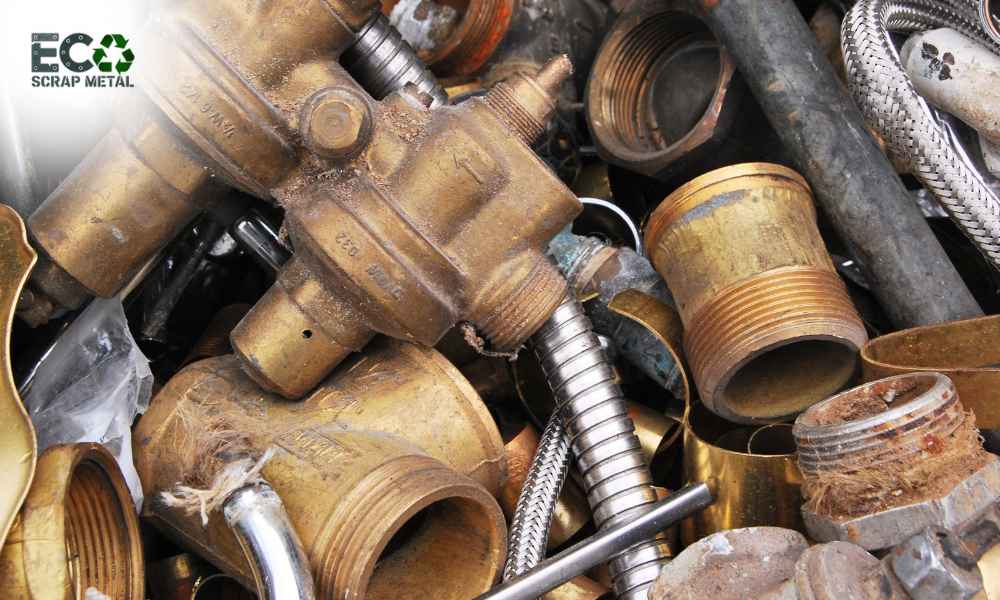
- Brass fittings and valves: Often produced during plumbing, manufacturing and maintenance work.
- Brass pipes and connectors: May come from equipment upgrades and industrial installations.
- Machined brass offcuts: Left over from turning, cutting, drilling and other manufacturing processes.
- Brass components: Recovered from machinery, fittings and equipment being replaced.
- Mixed brass scrap: Different brass items collected during routine factory operations.
Not every item will necessarily receive the same price. The value depends on factors such as the material’s composition, cleanliness, quantity and current market conditions. If you are unsure whether an item is brass, ask your scrap metal buyer to assess it.
3. Arrange Scrap Metal Collection for Large Quantities
Transporting heavy brass scrap can be difficult when a factory generates large quantities or has limited vehicle access. In these situations, arranging a scrap metal collection service may be more convenient than transporting the materials yourself.
Eco Scrap Metal advertises scrap metal pickup services, including collections for larger quantities. Factories can contact the team to discuss their brass scrap volume, location and collection requirements.
For businesses producing brass scrap regularly, it is worth asking whether scheduled collections or suitable collection arrangements are available. This can help prevent metal waste from taking up valuable production and storage space.
4. How Can Factories Get Better Value for Brass Scrap?
The value of brass scrap depends on market conditions, metal grade and material quality. Factories can take a few simple steps to make their scrap easier to assess.
- Separate brass from other metals: Keep brass separate from copper, aluminium, steel and other materials wherever practical.
- Remove unnecessary attachments: Separate plastic, rubber and other non-metal components when it is safe and practical to do so.
- Keep scrap organised: Use designated containers to collect brass offcuts and unwanted fittings during production.
- Estimate the quantity: Prepare an approximate weight or volume before contacting a buyer.
- Compare quotations: Ask about current rates, weighing methods, collection costs and payment arrangements before accepting an offer.
These steps can make the selling process more efficient and help your business understand the value of its recyclable materials.
5. Why Should Factories Recycle Brass Scrap?
Brass recycling offers benefits beyond recovering money from unwanted materials. Recycling allows valuable metals to be reused in manufacturing rather than relying entirely on newly extracted raw materials.
For factories, an organised recycling process can also reduce clutter, improve workplace housekeeping and support waste management objectives. Keeping recyclable metal separate from general waste makes it easier to manage industrial by-products and maintain a cleaner production environment.
Businesses that regularly generate brass scrap can make recycling part of their standard factory procedures. Employees can place offcuts, fittings and discarded components in designated collection areas instead of allowing them to accumulate around machinery or workstations.
6. Sell Your Factory’s Brass Scrap to Eco Scrap Metal
If your factory generates brass scrap in Sydney, working with a scrap metal buyer can help turn unwanted materials into additional business value.
Eco Scrap Metal buys brass scrap, including unwanted brass fittings and pipes, and promotes convenient collection services for eligible quantities. Businesses can contact the team to discuss their materials, request an evaluation and arrange the next steps.
Visit Eco Scrap Metal to enquire about selling your brass scrap in Sydney.
Whether you operate a manufacturing plant, engineering workshop or industrial facility, collecting and selling brass scrap is a practical way to improve waste management while recovering value from recyclable metals.