Commercial Scrap Metal Recycling: What Businesses Need to Know
Commercial businesses often generate large amounts of scrap metal during daily operations, construction projects, manufacturing, and equipment upgrades. Instead of allowing unwanted metal to accumulate in storage areas or sending it to landfill, businesses can recycle it and potentially earn money from materials they no longer need.
Commercial scrap metal recycling is a practical way to manage waste, improve workplace safety, and support environmental sustainability. In this guide, we explain what businesses need to know about commercial scrap metal recycling and how to get started.
What Is Commercial Scrap Metal Recycling?
Commercial scrap metal recycling involves collecting, sorting, and processing unwanted metal from businesses and industrial sites. These materials can be reused to manufacture new products, reducing the need to extract and process raw materials.
Businesses that commonly generate scrap metal include:
- Construction and demolition companies
- Manufacturing and engineering businesses
- Warehouses and distribution centres
- Automotive workshops and mechanics
- Factories and industrial facilities
- Plumbing and electrical contractors
- Commercial property maintenance companies
Regular recycling helps these businesses manage metal waste more efficiently while keeping their premises organised.
Types of Commercial Scrap Metal Businesses Can Recycle
Different metals have different recycling values and handling requirements. Identifying the materials you have can help you organise your scrap and understand its potential value.
1. Copper
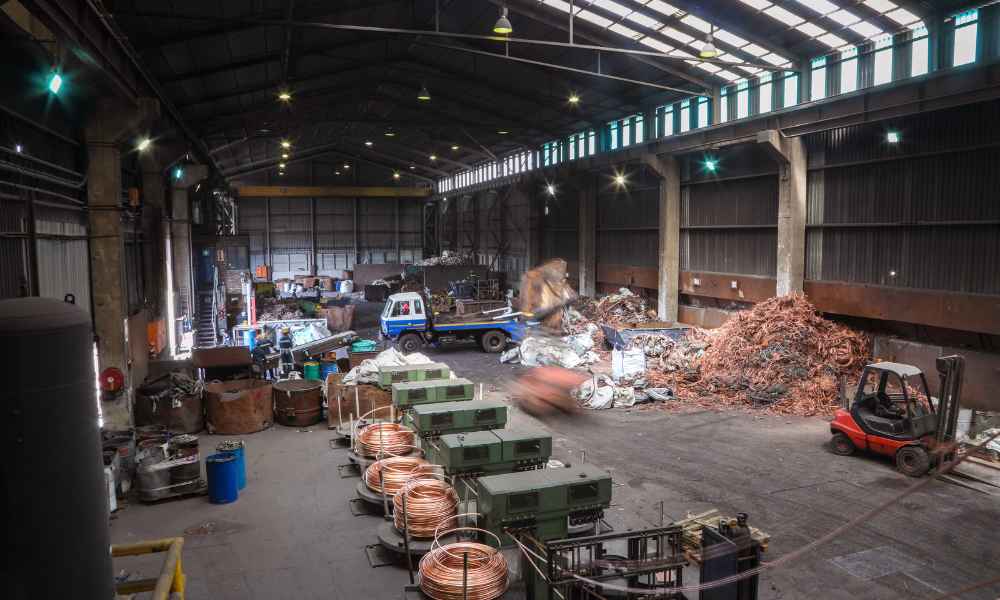
Copper scrap is widely used in electrical wiring, plumbing systems, air conditioning equipment, and industrial machinery. It is a valuable recyclable metal, making it worthwhile for businesses to separate copper from general waste.
2. Aluminium
Aluminium is commonly found in window frames, building materials, machinery components, packaging, and manufacturing offcuts. Recycling aluminium helps reduce waste and the energy required to produce new aluminium.
3. Brass
Brass is often found in plumbing fittings, valves, taps, connectors, and industrial components. Businesses that regularly replace plumbing equipment may accumulate brass scrap that can be collected for recycling.
4. Steel and Stainless Steel
Steel is frequently generated by construction sites, factories, warehouses, and engineering workshops. Stainless steel equipment, metal sheets, pipes, and structural offcuts can also be suitable for recycling, depending on their condition and composition.
5. Other Industrial Metals
Businesses may also have lead-free metal components, zinc, iron, and mixed metal scrap. A scrap metal recycler can help identify materials and explain the appropriate recycling process.
Benefits of Commercial Scrap Metal Recycling
1. Earn Money from Unwanted Metal
Some scrap metals have resale value. By collecting and sorting unwanted copper, brass, aluminium, and other recyclable metals, businesses may recover some of their costs. The amount received depends on the metal type, quantity, quality, and current market prices.
2. Reduce Business Waste
Metal recycling diverts suitable materials away from landfill. It also supports a more responsible approach to waste management and helps businesses use resources more efficiently.
3. Improve Workplace Safety
Piles of unwanted metal can create trip hazards, sharp-edge injuries, and unnecessary obstructions. Regular scrap collection helps maintain cleaner and safer workspaces.
4. Free Up Valuable Space
Factories, warehouses, and workshops need space for daily operations. Removing unused metal equipment, offcuts, and damaged components can free up storage areas and improve workflow.
5. Support Environmental Sustainability
Recycling metal reduces the demand for virgin raw materials and can lower the energy consumption associated with producing certain metals from scratch. This makes scrap recycling an important part of sustainable business practices.
How to Prepare Your Business Scrap Metal for Recycling
A few simple steps can make commercial scrap metal collection easier.
- Separate different metals: Keep copper, brass, aluminium, steel, and other materials in separate groups where practical.
- Remove general waste: Separate rubbish and non-metal materials to avoid contamination.
- Store scrap safely: Use designated storage areas and suitable containers to reduce workplace hazards.
- Estimate the quantity: Knowing the approximate volume and type of scrap can help you discuss collection requirements.
- Choose a reliable recycler: Contact a scrap metal recycling business to confirm accepted materials, collection options, pricing, and any preparation requirements.
Businesses should also ensure that scrap metal is legally owned and that any required documentation is available.
Choose Eco Scrap Metal for Your Commercial Recycling Needs
Managing commercial scrap metal does not need to be complicated. With the right recycling partner, businesses can clear unwanted materials, improve site organisation, and recover potential value from recyclable metals.
Eco Scrap Metal can be a useful option for businesses looking to recycle commercial and industrial scrap metal. Whether you operate a construction business, manufacturing facility, warehouse, or workshop, contact Eco Scrap Metal to discuss your scrap metal recycling requirements.
Start managing your business metal waste more efficiently and give recyclable materials an opportunity to be reused rather than discarded.