Clean vs Painted Aluminum Scrap: Price Differences
In the world of metal recycling, not all aluminum scrap is created equal. While it might all look shiny and recyclable at first glance, the price you’ll get paid when you sell aluminum scrap can vary significantly depending on its condition, cleanliness, and preparation. One of the clearest distinctions buyers make is between clean aluminum scrap and painted or coated aluminum scrap and the price gap between the two can directly affect how much money you make.
Understanding Scrap Aluminum Categories
Aluminum enters the recycling stream from many sources:
- Construction materials like siding and window frames
- Automotive parts like wheels and radiators
- Consumer packaging like beverage cans
- Industrial extrusions or sheet stock
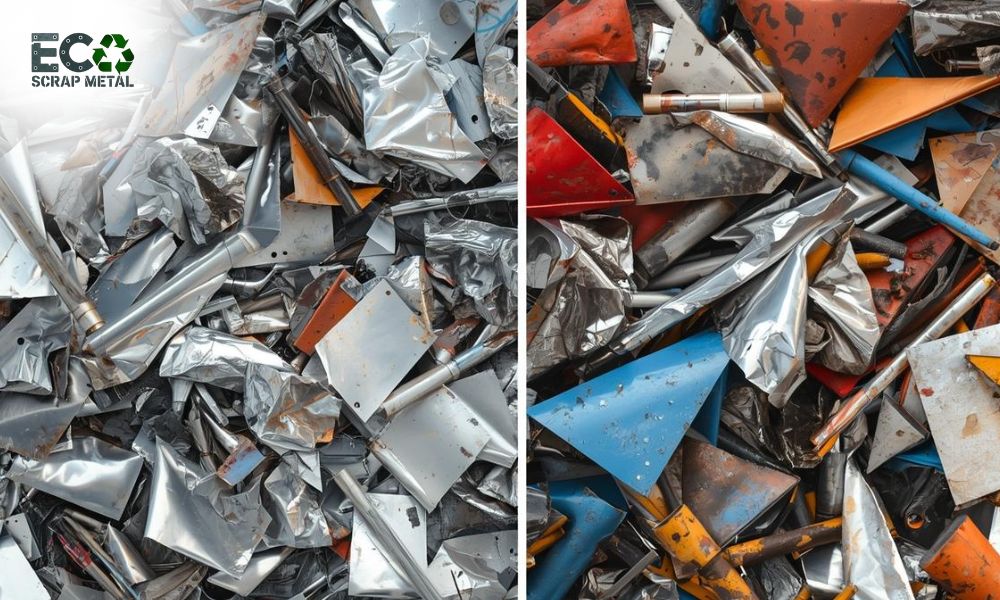
When aluminum is free of contaminants, meaning there’s no paint, plastic, wood, rubber or other metals attached, it’s generally considered clean. Painted aluminum, as well as pieces with coatings or other material, fall into a lower category often labelled as dirty or contaminated scrap.
Price Differences: Clean Vs Painted Aluminum
Here’s where the difference matters most: pricing.
In Australia, scrap buyers in various states distinguish between different grades and quality levels of aluminum. For example, recent pricing data from Sydney scrap yards shows that standard aluminum sheets or wheels that are clean fetch higher rates than similar materials that are dirty or painted.
To put it in perspective:
- Clean Aluminum Cans can be worth roughly AUD $2.17 per kg
- Painted siding or coated aluminum pieces are closer to AUD $2.78 per kg
- When aluminum is further contaminated (“dirty”), prices can drop well below the clean rate.
Another breakdown from local Australian scrap markets shows typical spoilage and contamination pricing:
- Mixed or dirty aluminum scrap: around $0.80–$1.40 per kg
- Low-quality contaminated material: as low as $0.30–$0.70 per kg
- High-quality (clean extrusions or sheets): up to $1.70–$2.00 per kg or more when properly sorted and presented.
Across global markets, similar patterns hold, clean aluminum often commands a premium, while coated, painted or contaminated material can fetch 10–25% less than its clean counterpart. The value gap exists because recyclers must invest time and energy to remove paint and other contaminants before melting the metal down.
Why Clean Aluminum Is Worth More
There are a few fundamental reasons why clean aluminum is more valuable:
- Less Processing Required: Clean aluminum can go straight from the yard to the furnace. Painted or coatings require extra processing steps, stripping, sorting, and cleaning, which adds labor and cost.
- Higher Purity: The more aluminium in your load relative to other materials, the more valuable it becomes. Paint, plastic and other materials don’t melt the same way aluminum does, so they must be separated.
- Predictable Performance for Recyclers: Refiners and smelters pay premiums for material that is consistent in alloy and free from contamination. Scrap yards often pay more for clean aluminum that fits those requirements.
Painted Aluminum Isn’t Worthless But Lower Priced
It’s a common misconception that painted aluminum has no value, it definitely does but its price is lower because recyclers factor in the time and cost to remove coatings. Even a thin layer of paint or powder coat can reduce the price because it requires mechanical or chemical removal.
Some recyclers may treat lightly painted aluminum as a separate category and pay a rate between clean and fully contaminated material, reflecting the reduced processing burden compared to heavily coated scrap.
Tips to Maximise Your Scrap Value
If you’re collecting aluminum to sell, here are some practical ways to improve your payout:
- Remove non-aluminum materials: Any plastic, screws, rubber seals or other attachments reduce the grade. A bit of work upfront increases your price at the yard.
- Separate by type and quality: Keep clean sheet, extrusions, and cans sorted. Scrap yards often pay different rates for different aluminum categories.
- Check local prices: Aluminium scrap prices vary widely by region, yard, and market demand, so calling ahead can help you decide what’s worth bringing in.
- Bring bulk quantities: Many yards offer better prices for larger loads. Larger consignments are easier to handle and more profitable for them.
Conclusion
Understanding the difference between clean and painted aluminum scrap can significantly impact how much money you earn when selling. Clean aluminum consistently commands a higher price due to reduced processing and higher recovery rates, while painted or contaminated aluminum sells at a discount due to the additional work needed to recycle it.
By sorting, cleaning, and preparing your scrap before sale, you maximise your returns and contribute to a more efficient and valuable recycling ecosystem.