Cast vs Sheet Aluminium – Which Is Worth More at Scrap Yard?
Aluminium scrap is one of the most valuable and widely recycled metals in Australia. Whether you’re a tradesperson, builder, mechanic, demolition contractor, or simply cleaning out your garage, understanding the value of different types of aluminium can help you maximise your scrap returns.
One of the most common questions scrap sellers ask is: Is cast aluminium worth more than sheet aluminium? The answer depends on several factors, including purity, contamination, market demand, and current scrap metal prices.
In this guide, we’ll explain the differences between cast and sheet aluminium, how scrap yards classify them, and which one typically earns you more money.
What Is Cast Aluminium?
Cast aluminium is produced by pouring molten aluminium into moulds, allowing manufacturers to create strong, complex shapes. It is commonly used where durability and heat resistance are required.
Common examples of cast aluminium include:
- Car engine blocks
- Transmission housings
- Gearboxes
- Pump housings
- Machine parts
- Outdoor furniture frames
- Industrial equipment components
Cast aluminium tends to be thicker and heavier than sheet aluminium, making it easy to identify.
What Is Sheet Aluminium?
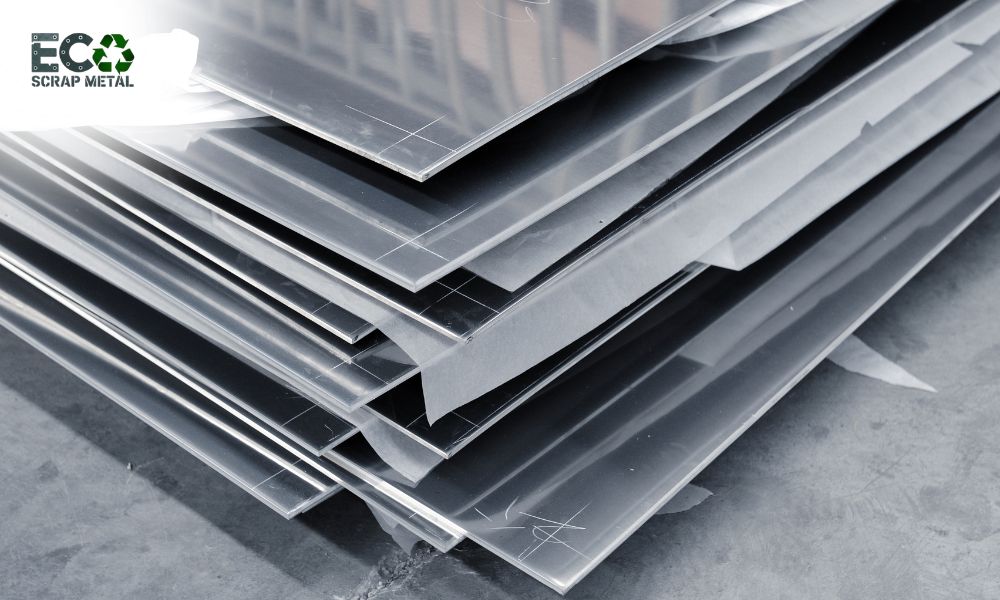
Sheet aluminium is made by rolling aluminium into thin, flat sheets. It is lightweight, flexible, and resistant to corrosion, making it suitable for many commercial and residential applications.
Common sources of sheet aluminium include:
- Roofing sheets
- Window frames
- Gutters
- Flashing
- Cladding
- Signage
- Caravan panels
- Kitchen splashbacks
Sheet aluminium is one of the most common aluminium products found during renovation and construction projects.
Which One Is Worth More?
In many Australian scrap yards, clean sheet aluminium often attracts a slightly higher price per kilogram than cast aluminium.
This is because sheet aluminium usually contains fewer alloying elements and is easier for recyclers to process into new aluminium products.
However, the difference in price is not always significant. Market conditions change regularly, and some scrap yards may offer similar rates for both materials depending on demand.
Typical trends include:
- Clean sheet aluminium generally commands higher prices.
- Clean cast aluminium is still highly valuable but may receive a slightly lower rate.
- Dirty or contaminated aluminium of either type will usually receive a reduced price.
The most important factor is not whether the aluminium is cast or sheet—it’s how clean and well sorted the material is.
Factors That Affect Scrap Aluminium Prices
1. Cleanliness
Scrap yards pay the best prices for clean aluminium that is free from:
- Steel bolts
- Plastic
- Rubber
- Wood
- Glass
- Paint (in some cases)
- Dirt and concrete
Removing contaminants before visiting the scrap yard can significantly increase your payout.
2. Material Separation
If you mix cast aluminium with sheet aluminium, stainless steel, brass, or other metals, the entire load may be downgraded.
Sorting your metals into separate piles helps scrap yards process them faster and often results in better prices.
3. Weight
Even if sheet aluminium earns a slightly higher price per kilogram, cast aluminium is generally much heavier.
For example, a large engine block may weigh several times more than a stack of aluminium sheets, meaning your total payment could still be higher.
4. Market Demand
Scrap metal prices change daily based on:
- Global aluminium demand
- Manufacturing activity
- Shipping costs
- Exchange rates
- Commodity markets
It’s always worth checking current prices before selling.
How to Identify Cast vs Sheet Aluminium
If you’re unsure which type of aluminium you have, here are some simple ways to tell the difference.
a. Cast Aluminium
- Thick and bulky
- Rough or textured surface
- Complex shapes
- Often found in machinery or vehicle components
- Heavier than it looks
b. Sheet Aluminium
- Thin and flat
- Smooth finish
- Easy to bend
- Common in construction materials
- Lightweight
Knowing the difference allows you to separate your scrap correctly and potentially receive better pricing.
Tips to Get More Money at the Scrap Yard
Whether you’re selling cast or sheet aluminium, these tips can help maximise your return:
- Remove Non-Metal Parts: Take off plastic fittings, rubber seals, screws, brackets, and steel fasteners whenever possible.
- Keep Materials Separate: Separate:
- Cast aluminium
- Sheet aluminium
- Aluminium extrusions
- Copper
- Brass
- Stainless steel
Most scrap yards pay higher rates for sorted materials.
- Sell Larger Quantities: Larger loads are often more attractive to recyclers and may qualify for better pricing.
- Choose a Reputable Scrap Yard: Not all scrap metal yards offer the same prices. Comparing rates from local recyclers can make a noticeable difference, especially if you have a large amount of aluminium to sell.
Is Recycling Aluminium Worth It?
Absolutely.
Aluminium can be recycled repeatedly without losing its quality. Recycling aluminium uses up to 95% less energy than producing new aluminium from raw materials, making it one of the most environmentally friendly metals to recycle.
By selling your aluminium scrap, you not only earn extra cash but also help reduce landfill waste, conserve natural resources, and lower carbon emissions.
Final Thoughts
When comparing cast aluminium and sheet aluminium, clean sheet aluminium generally earns a slightly higher price per kilogram at most scrap yards. However, cast aluminium remains a valuable recyclable metal, and because it is often heavier, it can still generate excellent returns.
The key to getting the best price isn’t simply the type of aluminium you have, it’s ensuring your scrap is clean, sorted, and free from contaminants. Taking a little extra time to prepare your materials before visiting the scrap yard can make a significant difference to your final payout.
If you’re unsure about the type of aluminium you have or want the latest scrap prices, contact your local scrap metal recycler. They can assess your materials and provide an accurate quote based on current market conditions.