Scrap Metal from Construction Sites: What You Can Sell
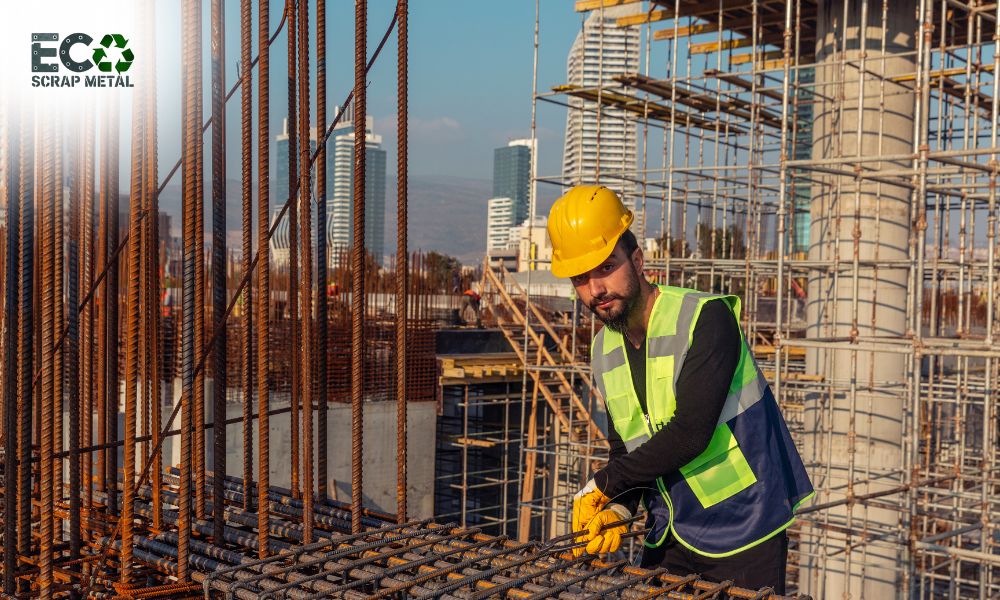
If you’re managing a construction site or working in demolition, you’ve likely seen tons of leftover materials like pipes, beams, wires, and even old equipment. But did you know that a significant portion of these materials can be turned into cold hard cash?
Scrap metal from construction sites is one of the most overlooked sources of revenue in the industry. Instead of letting it go to waste or paying for disposal, you can sell it directly to a scrap metal dealer and even improve your bottom line.
Why Sell Scrap Metal from Construction Sites?
Construction projects generate a large amount of scrap metal waste from framing and plumbing to electrical wiring and roofing. Most of this is high-value material like copper, steel, and aluminum.
Selling scrap metal:
- Reduces landfill waste
- Earns you extra income
- Lowers disposal costs
- Supports environmental sustainability
Whether you’re a contractor, builder, or site manager, turning scrap into profit is a smart move.
Common Types of Construction Scrap Metal You Can Sell
Here are the most valuable types of scrap metal found on construction and demolition sites:
1. Copper
- Where it’s found: Electrical wiring, plumbing pipes, HVAC systems
- Why it’s valuable: Copper scrap has a high resale value due to its conductivity and recyclability
- Pro Tip: Strip the insulation off wiring to increase its per-pound value
2. Steel
- Where it’s found: Beams, frames, rebar, and roofing
- Types: Carbon steel, stainless steel scrap
- Pro Tip: Stainless steel brings in more money due to its chromium content
3. Aluminum
- Where it’s found: Window frames, siding, HVAC units, gutters
- Lightweight and durable, making it easy to transport
4. Brass
- Where it’s found: Fixtures, valves, plumbing components
- High copper content makes brass more valuable than most assume
5. Lead
- Where it’s found: Roofing materials, old pipes, flashing
- Warning: Handle with care; lead is toxic and should be recycled safely
6. Zinc & Tin
- Where it’s found: Coatings on steel (galvanized metal), fasteners
- These are often mixed with other metals but still hold scrap value
How to Identify and Sort Valuable Scrap
1. Use a Magnet
- Ferrous metals (like steel and iron) are magnetic and less valuable
- Non-ferrous metals (like copper, brass, and aluminum) are not magnetic and fetch higher prices
2. Visual Inspection
- Look for color, weight, and markings. For example, copper has a reddish tint, while aluminum is silver and lightweight.
3. Sort by Type
- Keep your scrap organised, this makes it easier to sell and can boost your payout
- Separate clean metal (free of insulation or debris) from dirty metal
Preparing Scrap Metal for Sale
Clean It Up
- Remove non-metal attachments (plastic, wood, rubber)
- Strip wires for pure copper
- Drain fluids from HVAC or plumbing systems before recycling
Cut It Down
- Cut large items into manageable pieces
- This makes transport easier and reduces yard handling costs
Store It Properly
- Use containers or bins to store different types of metal
- Keep everything dry to prevent rusting, especially for ferrous metals
Where to Sell Scrap Metal from Construction Sites
The best place to sell your construction scrap is a local scrap metal dealer or recycling yard. These businesses specialise in buying metal waste, weighing it, and paying based on current market scrap metal prices.
What Scrap Yards Look For:
- Type of metal
- Cleanliness of material
- Quantity (larger volumes usually earn better rates)
Find a Reputable Dealer:
- Look for a licensed and certified scrap yard
- Check Google reviews or Better Business Bureau ratings
- Some offer on-site pickup or container drop-offs
Tips for Selling to a Scrap Metal Dealer
- Call Ahead: Ask about current prices for copper, aluminum, and steel. Some dealers update their rates daily based on global markets
- Bring ID: Many regions require ID for scrap metal sales due to anti-theft laws
- Ask About Bulk Rates: Selling large volumes? You might qualify for better pricing
- Request Weigh Slips: Get documentation for transparency and recordkeeping
- Schedule Regular Pickups: If you’re a contractor with ongoing projects, set up recurring collection
Final Thoughts
There’s gold in your construction waste or at least copper, aluminum, and steel. By identifying and organising scrap metal from construction sites, you can sell it to a local scrap metal dealer for a solid return.
Not only does this support sustainability and reduce waste, but it also turns your job site into a profitable recycling hub.
Start scrapping smart and get paid for your metal! Contact us