Rules for Selling Used Batteries for Scrap in Sydney
Selling used batteries for scrap can be a practical way to earn some extra cash and help the environment but it’s important to understand the legal and safety framework in Sydney, NSW, Australia before you do. Batteries, especially automotive and lithium-ion types, are classified as hazardous due to the toxic materials and fire risks they pose. NSW has a growing body of regulatory requirements that affect how batteries should be handled, sold and recycled. Knowing the rules helps you stay compliant, avoid fines and protect your community.
1. Know the Battery Types
Used batteries come in many forms, and not all of them are treated the same under NSW regulations:
- Portable household batteries: AA, AAA, 9V, button cells and similar consumer batteries.
- Lead-acid batteries: Typically found in cars, boats and some industrial equipment.
- Lithium-ion batteries: Common in phones, laptops, scooters, e-bikes and power tools.
Each class has different safety and handling requirements and potential value when sold for scrap.
2. Batteries Are Hazardous Waste
All batteries contain chemicals and metals that can harm the environment or ignite if mishandled. For example:
- They must not be placed in household waste or kerbside bins because they can cause fires in trucks or processing facilities and release hazardous substances.
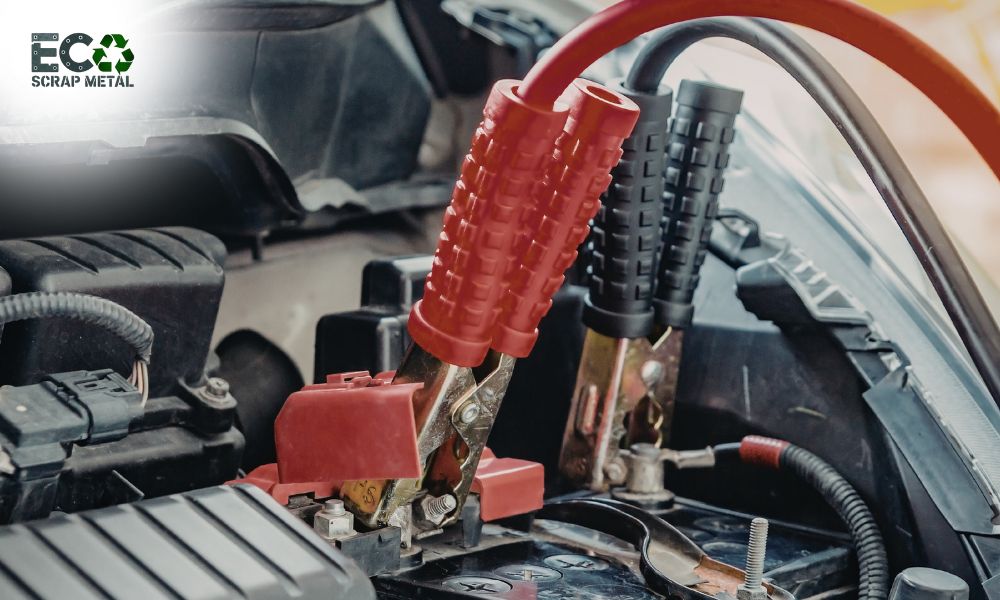
- Lead-acid batteries contain corrosive acids and lead, a toxic heavy metal and are legally considered hazardous waste requiring proper handling and recycling.
Because of these risks, any commercial handling, storage or transport beyond household quantities may trigger additional licensing rules.
3. Scrap Metal Industry Rules Apply
If you’re selling used batteries (especially lead-acid or other metallic battery types) to a scrap metal yard or recycler, you need to understand the Scrap Metal Industry Act 2016 (NSW):
- Dealers must be registered: Scrap metal dealers, the businesses that buy old batteries as metal, must be registered with NSW Police under the Act.
- No cash payments: Dealers are prohibited from paying for scrap metal (including batteries) in cash or by cheque payable to cash, or by in-kind goods or services. All payments must be traceable (e.g., bank transfer or cheque payable to a bank account). This is aimed at reducing theft and improving traceability in the industry.
- Record-keeping: Dealers must record details of every transaction, including seller identity, date and description of materials, and keep records for at least three years. This helps authorities deter illegal activity and track hazardous materials.
For sellers, this means you will likely be asked for identification and payment details and you should never accept cash offers under the table, even if they seem lucrative.
4. Licencing & Transport Requirements
While individuals selling a few batteries may not need their own licence, businesses that collect, store, transport or process large quantities must meet environmental and safety standards. NSW EPA regulates hazardous waste like lead-acid batteries with licensing and tracking requirements:
- Transporting large quantities (e.g., over 200 kg of waste lead-acid batteries) may require an environment protection licence.
- Stored batteries received from third parties might also fall under licensing rules, depending on volumes and premises.
This is especially relevant if you’re operating a business or regularly selling batteries in bulk.
5. Emerging Battery Stewardship Laws
NSW is transitioning toward stronger battery lifecycle regulation. The Product Lifecycle Responsibility Act 2025 and associated regulations (ongoing) are proposed to make battery producers responsible for end-of-life management. While not fully in force as of early 2026, this framework could affect how battery recycling and sales are structured in the future, including reporting and compliance obligations for businesses.
6. Safety First: Handling & Storage
Before you sell or recycle used batteries, follow these safety tips:
- Tape terminals on lithium-ion and similar batteries to reduce fire risk.
- Store batteries in a cool, ventilated space, away from combustible materials.
- Don’t try to open or disassemble batteries, this can release toxic substances, cause short circuits or ignite fires.
- If a battery is damaged, bulging, leaking or smoking, treat it as a hazard, contact a professional recycler or hazardous waste service for safe disposal.
Lithium-ion batteries, in particular, are associated with a rising number of fires when disposed of incorrectly. NSW agencies are actively promoting safe disposal outlets to reduce these incidents.
7. Where to Sell or Recycle
For sellers in Sydney:
- Licensed scrap metal yards: These accept lead-acid batteries and other metal-containing batteries but will follow the registration and payment rules under the Scrap Metal Industry Act.
- Specialised battery recyclers: Some recyclers focus on battery collection and recycling rather than metal content alone.
- Community collection points: For small household batteries, initiatives like B-cycle provide drop-off locations (e.g., major supermarkets and hardware stores) to recycle safely.
Always call ahead to confirm what types and quantities are accepted, and how to prepare batteries for drop-off.
Conclusion
Selling used batteries for scrap in Sydney can be worthwhile but it’s also regulated to ensure safety, environmental protection and legal compliance. Know your battery types, work with registered dealers, avoid cash transactions, and follow all safety and hazardous waste handling rules. With the right approach, you can responsibly recycle and profit from scrap batteries while keeping your community and environment safe.