Why Is Brass Scrap Worth So Much?
Brass scrap is one of the most valuable materials in the recycling industry. From old plumbing fixtures to electrical components, discarded brass items can bring surprisingly high prices at scrap yards. Many homeowners and businesses are often unaware that everyday brass products hold significant value even after years of use.
The reason brass scrap is worth so much comes down to several important factors, including its metal composition, industrial demand, recyclability, and global market conditions. As industries continue to focus on sustainability and cost savings, brass recycling has become more important than ever.
What Makes Brass Valuable?
Brass is an alloy mainly made from copper and zinc. Copper scrap is one of the world’s most valuable industrial metals, and because brass contains a high percentage of copper, it naturally carries strong market value.
Brass is also considered a non-ferrous metal, meaning it does not contain iron. Non-ferrous metals are highly desirable because they resist rust and corrosion better than ferrous materials like steel.
Key reasons brass is valuable:
- High copper content
- Strong resistance to corrosion
- Long lifespan and durability
- Excellent recyclability
- Constant industrial demand
These qualities make brass useful in both manufacturing and recycling industries.
High Copper Content Drives Prices
One of the biggest reasons brass scrap commands high prices is the value of copper. Copper is widely used in construction, electronics, renewable energy systems, and transportation. When copper prices increase in global markets, brass scrap prices usually rise as well.
Because brass contains a large amount of copper, scrap dealers are willing to pay competitive rates for it. Even old or damaged brass items still retain valuable metal content.
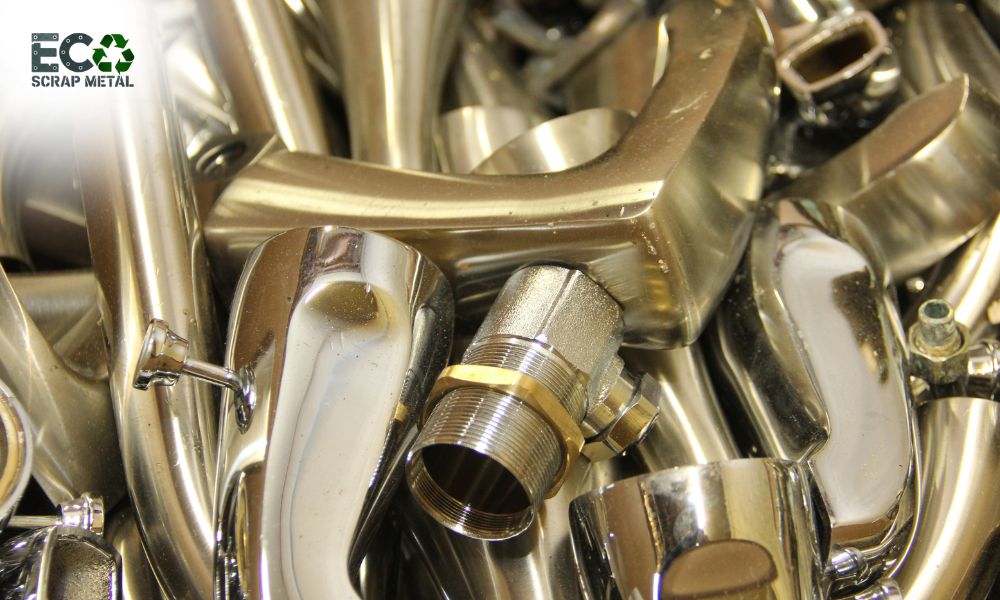
Common brass scrap items include:
- Plumbing taps and valves
- Brass pipes and fittings
- Keys and locks
- Decorative hardware
- Electrical connectors
- Ammunition casings
- Musical instruments
Many of these items are found in homes, construction sites, and industrial facilities, making brass a common but valuable recyclable material.
Brass Is Easy to Recycle
Another major reason brass scrap is worth so much is its ability to be recycled repeatedly without losing quality. Unlike some materials that weaken over time, brass can be melted and reused multiple times while maintaining its strength and durability.
This creates major advantages for manufacturers.
Benefits of recycling brass:
- Reduces manufacturing costs
- Uses less energy than mining raw metals
- Lowers greenhouse gas emissions
- Conserves natural resources
- Supports sustainable production
Producing new brass from mined copper and zinc requires extensive mining and refining operations. Recycling brass is far more energy-efficient, which is why industries strongly support scrap metal recovery.
Strong Demand Across Industries
Brass remains an essential material in many industries because of its durability and corrosion resistance. Manufacturers rely on brass for products that must withstand moisture, heat, and wear over long periods.
Industries that heavily use brass include:
a. Construction Industry
Brass is commonly used for:
- Plumbing fixtures
- Pipe fittings
- Water meters
- Door handles
- Decorative hardware
b. Electrical Industry
Brass is popular because it conducts electricity efficiently. It is used in:
- Connectors
- Switches
- Electrical terminals
- Circuit components
c. Automotive and Marine Industries
Brass resists corrosion from water and harsh environments, making it ideal for:
- Radiators
- Marine fittings
- Engine components
As these industries continue growing, the demand for recycled brass remains consistently strong.
Limited Supply Increases Value
Unlike steel or aluminum, brass is not produced in extremely large quantities. Its use is often limited to specialised applications, which means scrap supplies can sometimes be restricted.
Additionally, brass products are designed to last for decades. Plumbing systems, industrial machinery, and decorative fixtures often remain in use for many years before entering the recycling stream.
When supply becomes limited but demand remains high, scrap prices naturally increase.
Clean Brass Scrap Gets Higher Prices
Not all brass scrap is priced equally. Scrap yards pay more for clean brass because it is easier to process and recycle.
Clean brass usually means:
- No steel attachments
- No plastic or rubber parts
- Minimal corrosion
- Free from excessive solder or contaminants
Dirty or mixed brass still has value, but recyclers often deduct processing costs. Sorting brass properly before selling it can significantly improve profits.
Environmental Benefits Support Demand
Environmental concerns are also increasing the value of brass scrap. Governments and manufacturers are focusing more on sustainable practices and reducing waste.
Recycling brass helps:
- Reduce landfill waste
- Minimise mining damage
- Lower carbon emissions
- Preserve natural resources
As sustainability becomes a bigger priority worldwide, recycled metals like brass are becoming even more important in global manufacturing.
Conclusion
Brass scrap is worth so much because it combines high metal value, strong industrial demand, excellent recyclability, and environmental benefits. Its copper content gives it significant economic value, while its durability makes it useful across many industries.
Whether it comes from old plumbing fixtures, electrical parts, or industrial equipment, brass scrap remains one of the most profitable recyclable metals available today. As global demand for recycled materials continues to rise, brass scrap is likely to remain highly valuable for many years to come.