What Has the Most Copper in It to Scrap?
If you’re getting into the scrapping game or just looking to make some extra cash, copper is one of the most valuable metals you can salvage. With copper prices consistently high and demand always strong, knowing where to find the most copper can seriously boost your profits.
In this guide, we’ll break down the top items that contain the most copper, where to find them, how much they’re worth, and how to scrap copper safely and legally.
Why Copper is King in the Scrapping World
Copper is prized for its conductivity, durability, and recyclability. Scrap yards pay top dollar for clean copper, especially #1 bright copper wire, which can fetch the highest price per pound.
Whether you’re a weekend scrapper or running a full-time operation, copper should always be your top priority.
Top Items That Contain the Most Copper
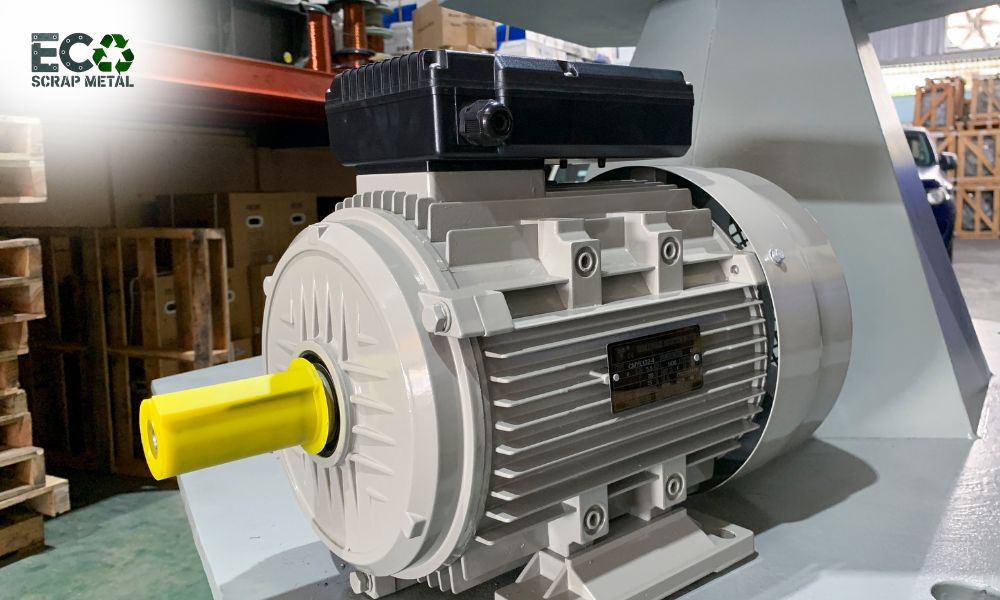
1. Large Electrical Transformers and Industrial Motors
These industrial machines are loaded with copper windings, especially in older models. Inside, you’ll find tightly packed coils of copper that can add up quickly.
- Copper yield: 20 to 200+ lbs
- Where to find them: Industrial demolition sites, electrical companies, scrapyards
- Tip: Use a saw or grinder to access the windings, and always check with a magnet—copper is non-magnetic, while aluminum is.
2. High-Voltage Power Cables
Power cables are built to carry large electrical loads, and that means thick copper cores.
- Copper yield: 70–90% copper by weight (when stripped)
- Where to find them: Utility companies, construction sites, demolition jobs
- Tools needed: Heavy-duty wire stripper or cable granulator for efficiency
3. Air Conditioning Units (Especially Central Systems)
AC units are a great source of copper tubing, wiring, and coils, particularly in central or commercial systems.
- Copper yield: 5 to 20+ lbs per unit
- Where to find them: HVAC businesses, old homes, appliance recycling centers
- Bonus: You’ll also find aluminum and sometimes brass fittings
- Important: Never tamper with refrigerant lines unless you are licensed—venting refrigerants is illegal.
4. Old Electrical Wiring (Romex, BX, THHN)
Residential and commercial electrical wiring contains a solid amount of copper—especially if you’re willing to strip the insulation.
- Copper yield: 40–60% by weight (stripped)
- Where to find it: Home renovations, construction site leftovers, building demos
- Types to look for:
- Romex (common in homes)
- BX (armored cable)
- THHN (used in commercial buildings)
5. Refrigerators and Freezers (Older Models)
While modern units use less copper, older refrigerators (especially pre-2000s) contain copper tubing, compressors, and wiring.
- Copper yield: 1–5 lbs per unit
- Where to find them: Junk pickup days, landfills, appliance stores
- What to strip: Compressor (contains a copper motor), back tubing, internal wiring
6. Microwave Ovens
These might be small, but microwaves have transformers inside that contain copper windings.
- Copper yield: Up to 1 lb per unit
- Where to find them: Curbside trash, appliance drops, thrift stores
- Safety tip: Discharge the capacitor before dismantling to avoid electric shock.
7. Computers and Electronics
While not copper-rich individually, the volume of electronics you can gather makes this a worthwhile target. Inside, you’ll find copper in wires, power supplies, and circuit boards.
- Copper yield: Under 1 lb per device, but adds up fast
- Where to find them: Office clear-outs, e-waste recyclers, schools, local classifieds
Tools You’ll Need to Maximize Your Copper Haul
To make your scrapping more efficient (and profitable), invest in a few key tools:
- Wire Stripper – Manual or electric
- Reciprocating Saw – For motors and pipe cutting
- Magnet – To test if you’re working with copper or aluminum
- Digital Scale – For weighing your scrap before you sell
- Safety Gear – Gloves, eye protection, respirator
Understanding Copper Grades and Pricing
Scrap yards pay different copper junk prices based on the quality of copper you bring in.
| Copper Type | Description | Price (Relative) |
| #1 Copper | Clean, bright, uncoated wire | Highest |
| #2 Copper | Tarnished, painted, or soldered copper | Medium |
| Insulated Wire | Copper wire with plastic insulation | Lower |
| Copper Motors | Copper still inside motors or transformers | Varies |
Pro Tip: Strip wire and clean off solder or corrosion to upgrade your copper from #2 to #1.
Where to Find Copper-Rich Scrap
Finding the best scrap is all about knowing where to look—and asking the right people.
Top places to look:
- Construction/Demolition Sites – Leftover wire, piping, motors
- HVAC and Electrical Companies – Old AC units, wiring
- Residential Cleanups – Fridges, microwaves, electronics
- Scrap Yards – Some sell cheap motors or damaged appliances
- Online Marketplaces – Search for “free pickup” or “broken appliance”
Always ask permission and follow local laws. Copper theft is taken seriously and can carry heavy penalties.
Safety and Legal Reminders
Before you dive into scrapping, make sure you’re doing it safely and legally:
- Never steal copper – Taking copper from abandoned buildings, construction sites, or AC units without permission is illegal.
- Discharge capacitors – Especially in microwaves and TVs.
- Handle refrigerants legally – Venting refrigerant is a federal offense in many countries.
- Use gloves and eye protection – Copper edges can be sharp, and tools can kick back.
Final Thoughts: What Has the Most Copper in It?
So, what items have the most copper in them to scrap? Here’s a quick ranking:
- Large Transformers and Motors – Up to hundreds of pounds
- High-Voltage Power Cables – Thick, high-purity copper cores
- Central Air Conditioning Units – Coils, tubing, and wiring
- Electrical Wiring – Especially from renovations or demos
- Older Appliances – Fridges, microwaves, freezers, and computers
If you’re serious about scrapping copper, learn the tools, know your sources, and build relationships with local scrap metal buyer in industries that discard copper-rich items. It takes time and hustle, but the payoff is worth it.