How Much Is 1 Kilogram of Copper Worth?
Copper has become one of the most valuable and sought-after scrap metals in Australia, thanks to its essential role in construction, electronics, energy systems and renewable technologies. As global demand continues to rise, so does interest from everyday Australians wanting to understand how much their unused copper, whether from electrical wire, plumbing pipes, or renovation leftovers, is actually worth.
If you’ve ever wondered “How much is 1 kilogram of pure copper worth in Australia?” you’re not alone. The price of copper fluctuates with international markets, local demand, and the quality of the metal you’re selling. Whether you’re a tradesperson, renovator, recycler, or simply clearing out old materials, knowing the true value of your copper can help you get the best price at your local scrap yard.
In this blog, we break down current copper prices in Australia, explain the difference between copper grades, and show you how much 1 kg of pure copper is worth today. We’ll also explore what affects the price and share some simple tips to help you maximise your payout.
What does “1 kg of copper” mean in Australia – scrap vs “pure copper”
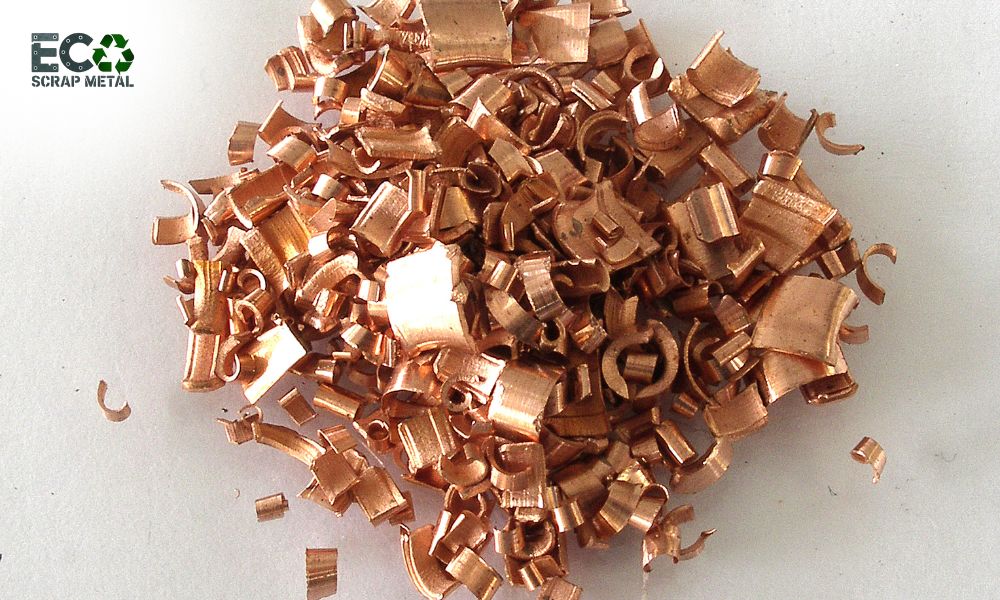
Before diving into numbers, a quick note: when people talk about “1 kg of copper,” often they mean scrap copper, e.g. stripped wire, old plumbing pipe, or discarded copper components. The actual value depends heavily on the grade, purity, and condition of the copper.
- “Bare bright” (clean, unalloyed, uncoated, stripped copper wire) commands the highest rates.
- “No. 1 copper” (clean pipe or wire with minimal impurities) is next best.
- Lower-grade scrap (painted, soldered, slightly corroded, insulated wire, mixed scrap) gets lower pay.
So “pure copper”, if truly clean, will fetch more than copper mixed with coatings, solder, insulation, or contamination.
What’s 1 kg worth – Typical Rates in Australia
Based on recent data from Australian scrap-metal buyers and recycling yards (particularly around major metro areas like Sydney, Melbourne, etc.):
- For high-quality, clean copper (“bare bright” or “No. 1”): about AUD $10.00 – $11.75 per kilogram.
- For slightly lower-quality scrap (“No. 2” or mixed scrap): roughly $9.00 – $10.00/kg.
- For insulated wire, coated/pvc-cable, or contaminated copper: you may only get $2.50 – $4.50/kg, depending on how much effort the recycler must put in (e.g. stripping, cleaning).
So in everyday terms:
- If you bring a kg of clean, stripped copper wire to a scrap yard, you might expect roughly $10–11.75 AUD.
- If the copper is mixed, dirty or insulated, the payout will be noticeably less, maybe only a few dollars per kg.
That range broadly matches what local scrapyards, recyclers, and online guides report across major Australian cities.
What Influences the Price
Why do rates vary so much? Here are the key factors:
- Purity & quality of the copper: clean, bare copper is worth far more than coated, soldered, or contaminated.
- Type of scrap: stripped wire vs insulated cable vs old fittings/pipes. Insulated or mixed scrap fetches less because it needs extra processing.
- Local demand & scrap yard: scrap yards in different cities or different regions may offer different rates depending on local demand, smelter availability, and material volume.
- Global copper commodity prices: international metal markets (e.g. the price of copper on global exchanges) influence local scrap value.
- Quantity and presentation: large, well-sorted loads of copper tend to fetch better rates than small, mixed or messy batches.
What “Pure Copper” Means & When You Might Get More Than Scrap Value
If by “pure copper” you mean refined copper material (not scrap), or copper that’s destined for industrial use (e.g. rods, ingots, high-purity wire), the value could be different, likely higher than scrap rates, because:
- Refinery / manufacturing processes add value beyond raw scrap.
- There may be a premium for guaranteed purity and quality (no contamination, consistent alloying).
- But this premium depends on buyer, demand, and processing costs and it’s much less common for small sellers or households to deal in refined copper directly compared to scrap.
In Australia, most everyday transactions, especially by individuals or small businesses, revolve around scrap copper, which is priced per kg by scrapyards, not refined copper commodity rates.
What to Do If You’re Selling Copper in Australia – Tips to Maximise Value
If you have scrap copper (wires, pipes, scrap) and are thinking of selling it, here are some practical tips based on current rates and market conditions:
- Clean and sort your copper: strip insulation from wires; separate clean copper from painted/soldered/contaminated pieces.
- Separate by grade: group “bare bright” copper separately from mixed scrap. Buyers pay more for clean copper.
- Contact multiple scrap yards: rates vary, so calling around may get you better per-kg prices.
- Sell in bulk if possible: larger quantities often attract better rates because of less handling overhead for buyers.
- Stay updated on market rates: scrap copper prices fluctuate with global commodity markets, local demand, and supply.
Bottom Line:
If your copper is clean, pure and ready for recycling, expect around AUD $10–12 per kilogram when selling as scrap. If it’s dirty, coated, or insulated, value drops significantly, perhaps down to $2.5–$5/kg depending on condition.
If you instead had industrial-grade refined copper (not scrap), theoretically it could be worth more, but that depends heavily on scrap metal buyer, quantity and purity and that market isn’t commonly accessible for small sellers.