Can You Sell Old Wires and Cables for Scrap?
Yes, you absolutely can sell old wires and cables for scrap, and in many cases, they’re more valuable than people realise. Whether you’re cleaning out a garage, upgrading electrical systems, or managing construction debris, scrap wire can turn into real cash when handled correctly.
Here’s everything you need to know about selling old wires and cables for scrap.
Why Old Wires and Cables Have Value
Most electrical wires and cables contain copper or aluminum, two highly recyclable and valuable metals. Copper, in particular, is one of the most sought-after materials in the scrap industry because of its excellent conductivity and durability.
Unlike many materials, copper scrap can be recycled repeatedly without losing quality. That’s why scrap yards are always willing to buy it.
In fact, recycling copper uses up to 85% less energy than mining and processing new copper, making it both profitable and environmentally responsible.
Types of Scrap Wires and Cables You Can Sell
Not all wires are priced the same. Scrap yards categorise wire based on metal content and cleanliness. Here are the main types:
1. Bare Bright Copper Wire
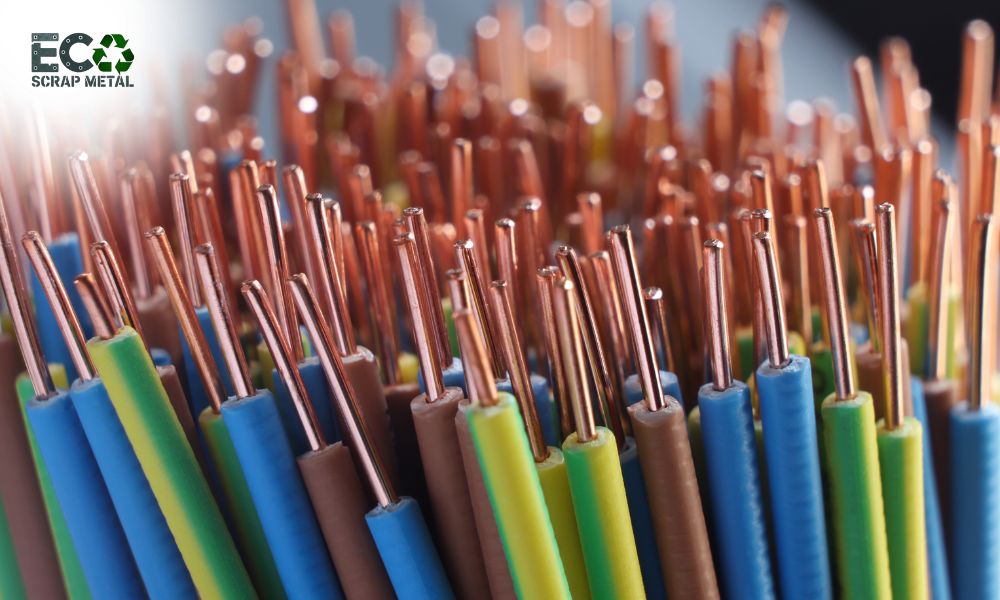
This is the most valuable type of scrap wire. It includes clean, uncoated, and unalloyed copper scrap wire (usually at least 16-gauge thickness). No insulation, no corrosion, no solder.
This category gets top dollar.
2. Insulated Copper Wire
These are standard household or commercial electrical wires with plastic coating. The value depends on:
- Copper content
- Thickness
- Cleanliness
- Whether it’s stripped or not
Stripping insulation can increase value, but only if you have a large quantity and the time to do it efficiently.
3. Romex® Wire
Romex (commonly used in residential wiring) contains multiple copper strands inside white sheathing. Scrap yards typically buy it as insulated wire unless stripped.
4. Extension Cords
Extension cords are recyclable, but since they’re usually thin and insulated, they fall into lower-paying categories.
5. Aluminum Wire
Aluminum wire is less valuable than copper but still worth selling. It’s commonly found in older homes and power cables.
How Scrap Yards Determine Price
Scrap wire pricing depends on several factors:
- Metal Type: Copper pays more than aluminum.
- Cleanliness: Clean, stripped wire earns more than dirty or mixed materials.
- Market Prices: Copper scrap prices fluctuate daily based on global supply and demand. Markets like the London Metal Exchange heavily influence scrap values worldwide.
- Quantity: Larger quantities may get you better rates or bulk pricing advantages.
Should You Strip Wire Before Selling?
This is one of the most common questions.
Stripping wire removes insulation so the copper can be classified as “bare bright” or #1 copper instead of insulated copper.
When It Makes Sense:
- You have large quantities
- The copper is thick (heavy gauge wire)
- You have a wire stripping machine
When It’s Not Worth It:
- Small amounts
- Thin wire
- Labor costs exceed value gained
If you’re a homeowner cleaning out a small stash, it may not be worth the time. Contractors and electricians with bulk scrap often benefit more.
How Much Money Can You Make?
Prices vary depending on location and market conditions, but generally:
- Bare bright copper pays the highest rate
- #1 and #2 copper slightly less
- Insulated copper wire is priced based on recovery percentage
- Aluminum wire pays significantly less than copper
For example, if copper prices are strong, a large pile of stripped copper could generate hundreds or even thousands of dollars.
The key is volume and metal quality.
Where Can You Sell Scrap Wires?
You can sell old wires and cables at:
- Local scrap metal yards
- Recycling centers
- Metal processing facilities
- Some construction material recovery facilities
If you’re in a major city, you’ll likely find multiple buyers competing for scrap, which can help you negotiate better rates.
Always call ahead to confirm:
- Current pricing
- Minimum quantities
- ID requirements (many yards require identification due to theft regulations)
Legal Considerations
Because copper theft has been an issue in some areas, scrap yards often require:
- Government-issued ID
- License plate recording
- Proof of ownership for large commercial loads
Laws vary by state and country, so check your local regulations before selling large amounts.
Environmental Benefits of Recycling Wires
Selling scrap wire isn’t just profitable, it’s environmentally responsible.
When you recycle copper:
- Mining demand decreases
- Energy use drops significantly
- Landfill waste is reduced
- Carbon emissions are lowered
Recycled copper re-enters manufacturing for new electrical systems, plumbing, electronics, and renewable energy systems.
In fact, global sustainability initiatives promoted by organisations like the International Energy Agency emphasise the importance of recycling metals to support clean energy transitions.
Tips to Maximise Your Scrap Wire Profit
Here are some smart strategies:
- Separate Materials: Don’t mix aluminum and copper. Separate different grades if possible.
- Remove Attachments: Cut off plugs, connectors, and steel ends before selling.
- Keep It Clean: Avoid contamination with trash, oil, or excessive dirt.
- Monitor Copper Prices: If prices are low and you’re not in a rush, consider holding your scrap until market conditions improve.
- Build Relationships with Scrap Yards: Frequent sellers sometimes receive better rates.
Common Mistakes to Avoid
- Burning insulation off wire (this is illegal in many areas and lowers value)
- Mixing metals together
- Not checking multiple scrap yard prices
- Selling small loads without comparing stripping vs. insulated value
Is It Worth Selling Old Wires?
Absolutely.
Whether you’re a homeowner with leftover renovation materials or a contractor managing demolition waste, scrap wire can add up quickly.
Even smaller quantities are worth collecting rather than throwing away. Over time, scrap wire can become a meaningful side income stream.
Plus, recycling supports a circular economy, reducing environmental impact while putting cash in your pocket.
Final Thoughts
Old wires and cables should never go to waste. With copper and aluminum scrap in high demand, scrap yards are ready to pay for materials you might otherwise discard.
The key to maximising profit is understanding:
- The type of wire you have
- Current market pricing
- Whether stripping makes sense
- Local scrap yard policies
Next time you’re cleaning out a job site or storage space, don’t toss those cables in the trash, weigh them, sort them, and turn them into cash instead.
Selling scrap wire is simple, sustainable, and surprisingly profitable.