Top Types of Scrap Batteries That Buyers Accept
Walk into any garage, junkyard, or even your own storage closet, and chances are — you’ll find at least one old battery lying around, forgotten. Whether it came from a car, a dead laptop, or a tool you haven’t used in years, most of us don’t give these leftover batteries a second thought. But here’s something worth knowing: many of those “dead” batteries still have real value, and there are buyers out there who want them.
That’s right — your scrap batteries might be worth money. And in a world that’s pushing hard toward sustainability and smarter recycling, knowing what kind of batteries are accepted by scrap metal buyers can actually turn your clutter into cash.
Types of Scrap Batteries That Dealers Accept
So, what types of scrap batteries are most in demand? Let’s take a look.
1. Lead-Acid Batteries:
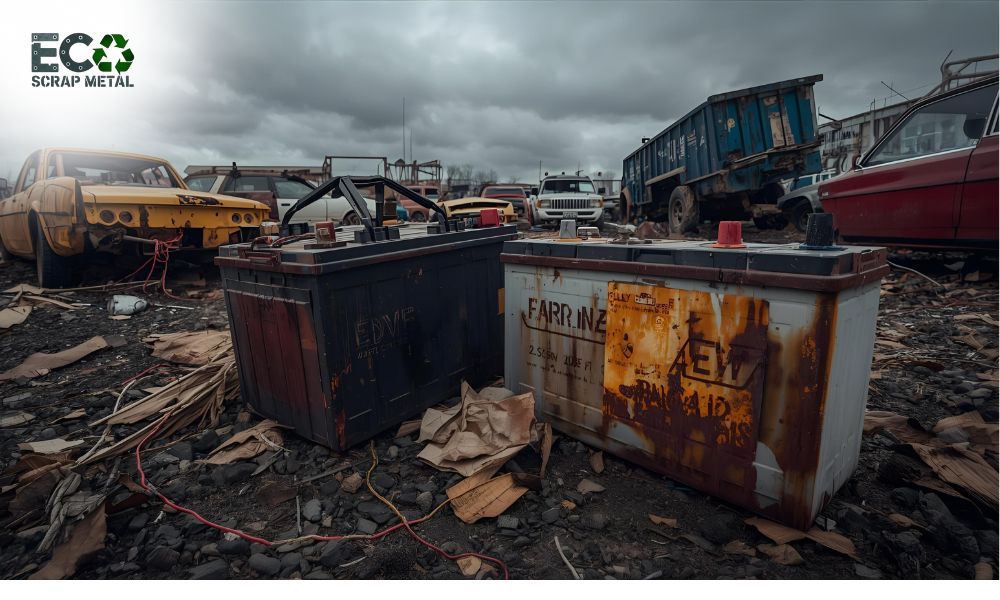
If there’s a king in the world of scrap batteries, it’s the lead-acid battery. These are the big, boxy ones you find in cars, trucks, motorcycles, and backup power systems. They’re heavy, often dirty, and filled with acid — not exactly glamorous, but very valuable in the recycling market.
Why? Because they contain lead, and lots of it. Lead is one of the easiest battery metals to recycle, and it’s in high demand. The process is well-established, and buyers know exactly what to do with them. So if you’ve got old car batteries sitting around — even if they’ve been dead for years — they’re likely to fetch a decent scrap battery price.
2. Lithium-Ion Batteries:
We carry lithium-ion batteries with us every day — in phones, laptops, power tools, and increasingly, electric vehicles (EVs). These are the sleek, compact powerhouses of the modern world, and their value in the scrap market is rising fast.
Inside these batteries are precious metals like lithium, cobalt, and nickel — materials that are getting more expensive as demand for electric mobility and renewable energy grows. That’s why serious recyclers and buyers are particularly interested in collecting Li-ion batteries, especially from EVs and large electronics.
Just a heads up: because of the fire risk, lithium batteries need to be handled with care — and many buyers will only accept them in bulk or under strict packaging guidelines.
3. Nickel-Based Batteries:
Before lithium took over, Nickel-Cadmium (NiCd) and Nickel-Metal Hydride (NiMH) batteries were the standard in rechargeable tech. You’ll still find them in older power tools, medical equipment, and even hybrid vehicles.
While not as flashy or valuable as lithium batteries, these still have scrap value — mainly for the nickel content, which is a useful and recoverable metal. NiCd batteries do come with a catch, though: cadmium is a toxic heavy metal, so disposal and transport are a bit more restricted.
4. EV Batteries:
The electric vehicle revolution has introduced a new type of battery into the scrap ecosystem — the massive lithium-ion battery packs found in EVs. When these packs reach the end of their life (which can be years), they’re not just thrown away. They’re worth a lot, both for the raw materials they contain and for potential reuse in other applications like home energy storage.
Recycling EV batteries is still a specialized field, but demand is growing fast. If you’re in a position to collect or salvage these packs — from salvage yards, fleet vehicles, or EV repairs — you might be sitting on a gold mine.
5. Household & Alkaline Batteries:
Your everyday AA, AAA, and 9V batteries aren’t the most profitable when it comes to scrapping. They contain small amounts of zinc and manganese — nothing earth-shattering — and usually aren’t worth much unless you’ve got a massive volume.
Still, some recycling programs and buyers will take them off your hands, especially if they’re mixed in with other electronic waste. It’s not about making money here — it’s about keeping hazardous waste out of landfills, and that’s always worth doing.
6. Industrial Batteries: Quietly Valuable
Industrial batteries, like the ones used in forklifts, telecom equipment, or solar energy storage, often go unnoticed — but they’re among the most valuable when it comes to weight and recoverable material. These are often large lead-acid or lithium packs and are almost always worth the effort to recycle.
If you’re a business or contractor with access to these, you could be sitting on serious value. Many battery buyers specialize in handling large-scale or industrial-grade batteries — and will even arrange pick-up.
A Few Tips Before You Sell
If you’re thinking about turning in your scrap batteries, here are a few quick tips:
- Sort them by type if you can — mixed batteries are harder to process and may get lower prices.
- Handle lithium batteries carefully — they can catch fire if damaged.
- Don’t throw batteries in the trash — even the “cheap” ones can leak chemicals.
- Ask local buyers about requirements — some need batteries to be drained, taped, or packed in a certain way.
Wrapping It Up
Whether you’re clearing out old electronics, running a repair shop, or managing a fleet of vehicles, scrap batteries can be more than just waste — they’re a potential source of revenue and a big part of the recycling puzzle. From car batteries to EV packs, lithium cells to nickel units, there’s a buyer out there who wants what you’ve got.
So next time you see an old, forgotten battery sitting in the corner of your garage, don’t toss it. Cash it in — and do your part to keep valuable materials in the loop.
Have scrap batteries you’re trying to sell? Drop a comment or message us — we’ll help point you in the right direction.