How Metal Fabrication Workshops Can Earn More by Selling Scrap Metal
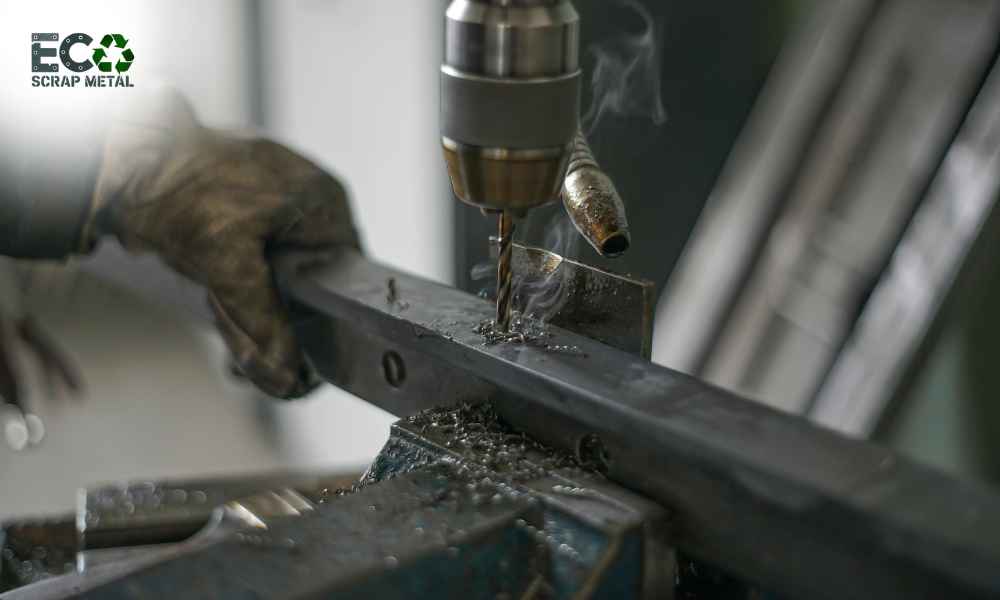
Metal fabrication workshops work with large quantities of steel, aluminium, stainless steel, copper, and other valuable metals every day. During cutting, welding, machining, and manufacturing processes, offcuts and leftover materials are unavoidable. While these pieces may seem like waste, they can become an important additional revenue stream when properly recycled.
Selling scrap metal instead of disposing of it allows fabrication businesses to increase profits, reduce waste, and improve operational efficiency.
Scrap Metal Is a Valuable Business Asset
Every fabrication project produces some level of excess material. Steel offcuts, aluminium sheets, stainless steel remnants, copper wire, and machining swarf all retain value because they can be recycled into new products.
Instead of treating these materials as rubbish, workshops can convert them into regular income by selling them to professional scrap metal recyclers.
Even small amounts collected consistently can generate significant returns over time.
Improve Profit Margins
Material costs are one of the largest expenses for fabrication businesses. Recovering value from leftover metal helps offset these costs and improves overall profitability.
Many successful workshops include scrap metal recycling as part of their waste management strategy, ensuring nothing valuable goes to waste.
The money earned from recycling can be reinvested into equipment, staff training, or purchasing new materials.
Keep the Workshop Clean and Efficient
Metal offcuts can quickly accumulate around fabrication equipment, creating clutter and potential safety hazards.
Regular scrap metal collections help maintain:
- Cleaner workspaces
- Improved productivity
- Better organisation
- Reduced trip hazards
- Safer working conditions
A tidy workshop also leaves a more professional impression on customers and visitors.
Reduce Environmental Impact
Metal recycling significantly reduces the need for mining and raw material extraction. Recycling also uses considerably less energy than producing new metal from virgin resources.
By recycling fabrication waste, businesses help:
- Reduce landfill waste
- Lower carbon emissions
- Conserve natural resources
- Support Australia’s circular economy
Sustainable practices are becoming increasingly important for customers, suppliers, and commercial clients.
Common Scrap Metals from Fabrication Workshops
Fabrication businesses commonly recycle:
- Mild steel
- Stainless steel
- Aluminium scrap
- Copper scrap
- Brass scrap
- Galvanised steel
- Sheet metal offcuts
- Pipe sections
- Structural steel remnants
- Machining swarf
- Steel turnings
- Welding offcuts
Sorting different metals before collection can improve recycling efficiency and maximise returns.
Establish a Scrap Management System
Successful fabrication workshops often implement dedicated scrap collection areas.
Simple practices include:
- Separating metals by type
- Using labelled bins
- Keeping scrap dry where possible
- Scheduling regular collections
- Monitoring recycling volumes
A structured recycling process prevents valuable materials from being mixed with general waste.
Work with a Trusted Scrap Metal Recycler
Partnering with a reputable scrap metal recycler ensures fair pricing, reliable collections, and environmentally responsible recycling.
Many recyclers provide collection services for businesses generating large volumes of scrap, saving time and reducing transport costs.
Choosing the right recycling partner helps fabrication businesses maximise the value of their recyclable materials.
Final Thoughts
Every metal fabrication workshop generates valuable scrap during daily operations. Rather than viewing these materials as waste, businesses should see them as an opportunity to increase profits while reducing environmental impact.
By selling recyclable metals, workshops can recover material costs, improve workplace organisation, reduce disposal expenses, and contribute to a more sustainable manufacturing industry. With regular recycling and the right scrap metal partner, waste can become a valuable business asset.