Stainless Steel Scrap: Clean vs Dirty and What It Means
Stainless steel is one of the most versatile and widely used metals in the world, prized for its corrosion resistance, strength, and aesthetic appeal. From kitchen appliances and medical instruments to automotive parts and industrial equipment, stainless steel is everywhere. But did you know that not all stainless steel scrap is created equal? In the recycling and metal trading industry, stainless steel scrap is generally categorised as clean or dirty, and this distinction can significantly impact its value, processing, and environmental impact.
In this blog, we’ll explore what “clean” and “dirty” stainless steel scrap mean, how they are identified, and why this distinction matters for manufacturers, recyclers, and sustainability advocates alike.
What is Stainless Steel Scrap?
Before diving into clean vs dirty, it’s important to understand what stainless steel scrap is.
Stainless steel scrap refers to discarded stainless steel items that are collected for recycling. Unlike general steel, stainless steel contains at least 10.5% chromium, which forms a protective oxide layer on the surface, preventing rust and corrosion. Additional elements like nickel, molybdenum, and titanium can be added to enhance its properties.
Recycling stainless steel scrap is highly desirable because it saves energy, reduces raw material consumption, and minimises environmental pollution. However, the quality and type of scrap directly influence how efficiently it can be processed and reused.
Clean Stainless Steel Scrap
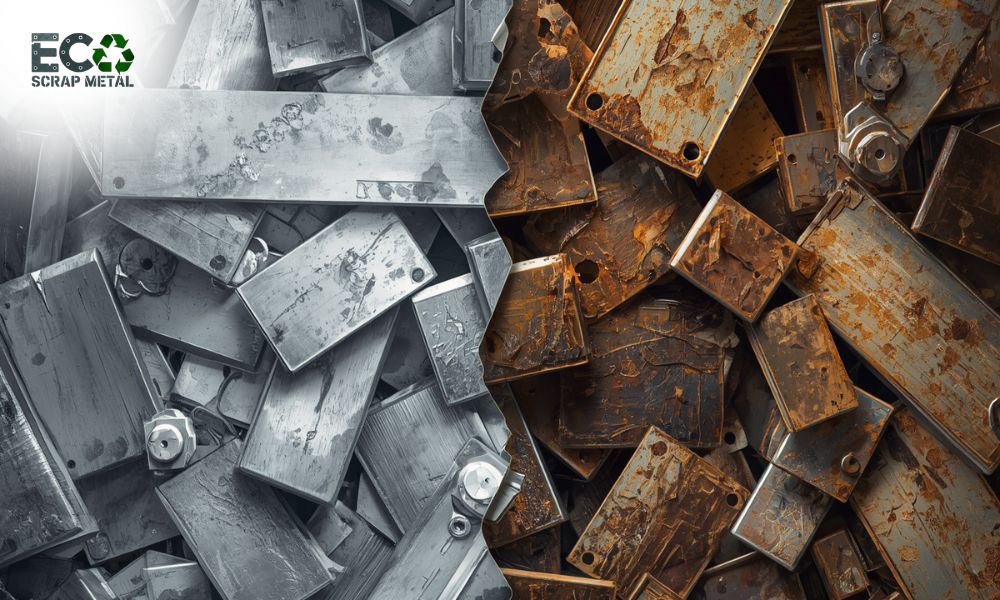
Clean stainless steel scrap refers to stainless steel that is free from contaminants, coatings, or non-metal attachments. This means it has no plastic, rubber, wood, paint, or chemical residues attached to it.
Characteristics of Clean Scrap
- Shiny or naturally metallic appearance
- No visible rust, dirt, or coatings
- No attached non-metallic parts
- Homogeneous in composition (e.g., mostly one grade of stainless steel)
Examples
- Old stainless steel kitchen sinks or utensils
- Stainless steel pipes and sheets with no paint or coatings
- Factory offcuts from stainless steel production
Advantages
- Higher Market Value: Clean scrap is more valuable to buyers because it requires less processing.
- Ease of Recycling: It can be melted and reformed directly without the risk of contamination.
- Energy Efficiency: Less energy is needed for refining, making the recycling process greener.
- Consistent Quality: Manufacturers prefer clean scrap as it ensures the final product maintains its desired properties.
Dirty Stainless Steel Scrap
Dirty stainless steel scrap, on the other hand, contains various forms of contamination. This contamination could be from non-metallic attachments, surface rust, oils, chemicals, paint, or even other types of metals mixed in.
Characteristics of Dirty Scrap
- Coated with paint, oil, or other chemicals
- Mixed with plastics, rubber, or wood
- Rusted or corroded surfaces
- Multiple metal types combined, making separation necessary
Examples
- Stainless steel appliances with plastic handles or wiring
- Pipes or machinery parts covered in grease or paint
- Mixed scrap from construction demolition sites
Challenges
- Lower Value: Contaminants reduce the scrap’s market value because additional processing is required.
- Complex Processing: Cleaning, separation, and sometimes chemical treatment are needed to recover usable stainless steel.
- Environmental Risks: Improper handling of dirty scrap can release harmful substances during melting or processing.
- Inconsistent Quality: Contaminated scrap can compromise the chemical composition and performance of new stainless steel products.
Why the Distinction Matters
The clean vs dirty classification is not just a technical detail, it has practical and economic consequences.
1. Economic Impact
Clean scrap commands higher prices in the market. Recyclers can process it faster, sell it to manufacturers without extensive refining, and reduce labor and energy costs. Dirty scrap, while still valuable, must undergo extra steps, lowering profit margins.
2. Recycling Efficiency
Melting clean stainless steel scrap consumes less energy because there’s no need to burn off coatings, plastics, or other contaminants. Dirty scrap requires additional treatment, which increases energy consumption and processing time.
3. Environmental Considerations
Using clean scrap minimises the release of harmful emissions. Burning or melting dirty scrap with coatings or plastics can release toxic fumes and increase carbon footprint. Clean scrap contributes to a more sustainable recycling loop.
4. End-Product Quality
Manufacturers demand high-quality raw materials. Impurities from dirty scrap can alter alloy composition, affecting corrosion resistance, strength, and appearance of the final stainless steel product.
Tips for Handling Stainless Steel Scrap
Whether you’re a business disposing of stainless steel scrap or a recycler, here are practical tips:
- Segregate Scrap Early: Separate clean and dirty scrap at the source to reduce labor later.
- Remove Contaminants: Strip plastic, rubber, and coatings wherever possible.
- Identify Alloy Types: Knowing whether the scrap is 304, 316, or another grade helps recyclers maximise value.
- Work with Certified Recyclers: Trusted recyclers can process dirty scrap safely and efficiently.
- Document Weight and Type: Accurate measurements ensure fair pricing in scrap transactions.
Conclusion
Understanding the difference between clean and dirty stainless steel scrap is essential for anyone involved in metal recycling, manufacturing, or sustainability efforts. Clean scrap offers higher economic value, easier processing, and better environmental outcomes, while dirty scrap presents challenges that require careful handling. By prioritising clean scrap recovery and responsible recycling practices, we can create a more sustainable metal supply chain, reduce waste, and conserve precious resources.
In a world increasingly focused on circular economies, knowing the nuances of stainless steel scrap is not just about money, it’s about contributing to a smarter, greener future.