How to Store Scrap Metal Safely at Home Before Selling
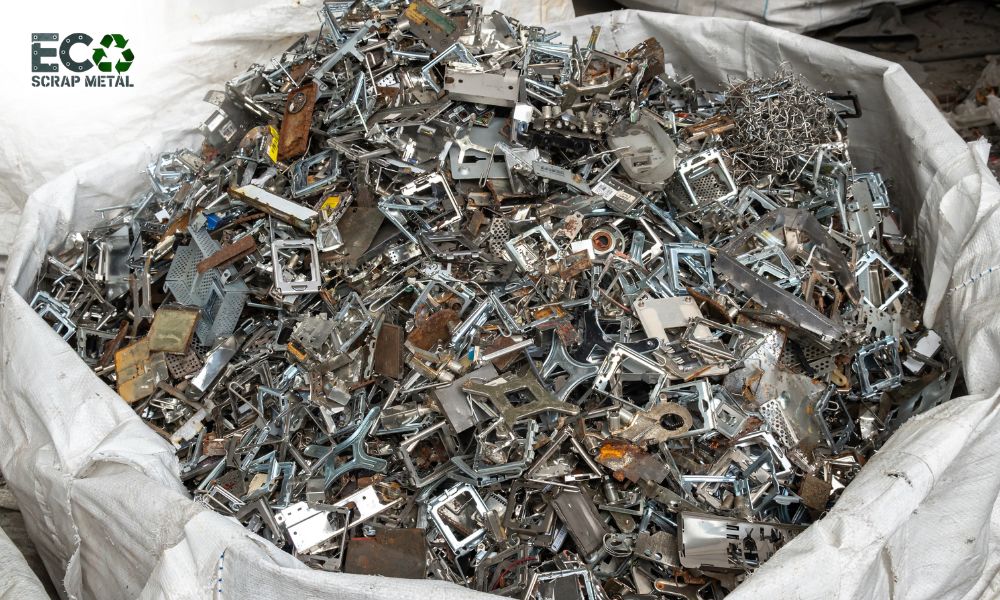
Scrap metal recycling is a smart way to earn extra cash while helping the environment. Whether you collect aluminum cans, copper wiring, old appliances, or steel parts, storing scrap metal properly at home is essential before taking it to a recycling yard. Poor storage methods can create safety hazards, attract pests, damage property, or even lower the value of your scrap. By organising and storing metal safely, you can protect your family, keep your space clean, and maximise profits when it’s time to sell.
Choose a Safe Storage Area
The first step is selecting the right place to store your scrap metal. Ideally, the area should be dry, secure, and away from children or pets. Garages, sheds, workshops, or fenced outdoor spaces work well for temporary storage.
Avoid storing scrap metal directly inside living spaces because sharp edges, rust, or chemical residues can pose risks. Outdoor storage is acceptable for larger items, but try to protect the metal from excessive rain and moisture, which may lead to corrosion.
If you live in an area with frequent storms or high humidity, cover your metal with waterproof tarps or store it in containers to reduce rust damage.
Separate Different Types of Metal
One of the best ways to stay organised is by separating metals into categories. Recycling centers usually pay different rates for different metals, so mixing them together can reduce your earnings.
Common categories include:
- Aluminum scrap
- Copper scrap
- Brass scrap
- Steel
- Stainless steel Scrap
- Lead
- Electronic scrap
Use labeled bins, buckets, or containers for each type. This makes transportation easier and saves time when selling. Keeping metals sorted also helps prevent contamination, which some scrap yards may reject.
For example, copper wire mixed with steel pieces may lower the copper’s value because buyers must spend extra time sorting it.
Remove Hazardous Materials
Before storing scrap metal, inspect every item carefully. Some scrap materials contain hazardous components that should be removed or handled separately.
Examples include:
- Batteries
- Fuel tanks
- Oil containers
- Refrigerants
- Chemicals
- Sharp glass
- Pressurised containers
Old appliances such as refrigerators or air conditioners may contain refrigerants that require professional removal before recycling. Electronics can also contain toxic materials like lead or mercury.
Never store leaking items inside your home. If you’re unsure whether an item contains hazardous material, contact your local recycling facility for guidance.
Prevent Injuries During Storage
Scrap metal often has jagged edges, rusted surfaces, or protruding nails and wires. Injuries are common when metal is stacked carelessly.
To reduce risks:
- Wear gloves when handling metal
- Use safety boots if moving heavy items
- Keep walkways clear
- Avoid unstable piles
- Stack heavy items at the bottom
- Store sharp pieces in containers
Large sheets of metal should be leaned securely against walls instead of lying loosely on the ground. Small items like nails, screws, or wire scraps should be stored in sturdy buckets to prevent accidental cuts.
Keeping your storage area tidy also prevents trips and falls.
Protect Scrap Metal from Rust and Damage
Although some rust is acceptable at recycling yards, excessive corrosion may lower the value of your scrap. Moisture is the biggest enemy of stored metal, especially iron and steel.
To minimise rust:
- Keep metal off the ground using pallets
- Store indoors whenever possible
- Cover outdoor piles with tarps
- Use plastic bins for smaller items
- Avoid water accumulation
Copper, brass, and aluminum generally resist rust better than steel, but they should still be protected from dirt and contamination.
Clean scrap metal is often more valuable than dirty or heavily damaged materials. Removing non-metal attachments like plastic, rubber, or wood may also increase resale prices.
Secure Valuable Scrap Metal
Certain metals, especially copper and brass, are valuable and can attract thieves. If you collect large amounts of high-value scrap, take extra precautions to secure it.
Helpful security measures include:
- Locking storage sheds
- Installing security lights
- Using covered containers
- Keeping valuable items out of sight
- Installing cameras if necessary
Avoid advertising your scrap collection publicly, especially on social media. Even a small amount of copper wiring can become a target for theft.
If you run a larger home-based recycling setup, maintaining an inventory can help track what you have stored and identify missing items quickly.
Know Local Rules and Regulations
Some neighborhoods or local councils have restrictions regarding outdoor scrap storage. Large visible piles of metal may violate property maintenance codes or upset neighbors.
Check local regulations before storing significant amounts of scrap at home. You may need to:
- Limit outdoor storage
- Use covered containers
- Maintain clean surroundings
- Follow fire safety guidelines
Keeping your scrap organised and tidy not only avoids complaints but also creates a safer environment for everyone.
Prepare for Transportation
Once your scrap metal collection grows, planning transportation becomes important. Organised storage makes loading easier and safer.
Before selling:
- Bundle similar items together
- Remove unnecessary non-metal parts
- Use strong containers for loose pieces
- Secure loads properly during transport
Never overload your vehicle with heavy scrap. Metals like steel and lead can add weight quickly, affecting driving safety.
If you collect large quantities regularly, consider using a trailer or contacting a scrap removal service.
Final Thoughts
Storing scrap metal safely at home requires planning, organisation, and proper handling. By separating materials, preventing rust, removing hazardous items, and maintaining a clean storage area, you can protect your property while increasing the value of your scrap.
Safe storage not only reduces the risk of injuries and theft but also makes the recycling process smoother and more profitable. Whether you are collecting scrap as a hobby or building a side income, good storage habits will help you get the most from your metal before selling it.