How Scrap Metal Gets Reused: From Waste to Worth
In a world increasingly focused on sustainability, scrap metal has become one of the most valuable materials in the recycling industry. What many people see as waste, old appliances, rusted car parts, or discarded construction materials, actually holds significant potential. Through efficient collection, processing, and remanufacturing, scrap metal is transformed into new products, reducing environmental impact and conserving natural resources. But how exactly does this process work?
1. Collection and Sorting
The lifecycle of reused scrap metal starts with collection. Scrap metal comes from a variety of sources, including households, industries, demolition sites, and end-of-life vehicles. Items such as aluminum cans, copper scrap, steel beams, and even electronic components are gathered and transported to recycling facilities.
Once collected, the metal must be sorted. This is a crucial step because different metals have unique properties and recycling processes. Metals are broadly divided into two categories: ferrous (containing iron, like steel) and non-ferrous (such as aluminum, copper, and brass scrap). Advanced technologies, including magnets, sensors, and manual inspection, are used to separate these materials efficiently.
2. Processing and Preparation
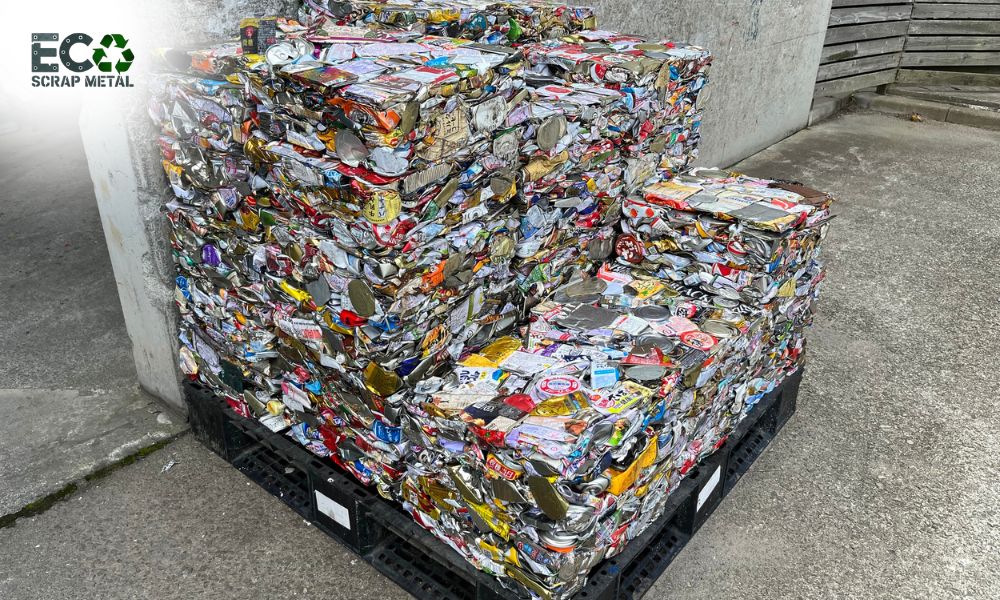
After sorting, scrap metal undergoes processing to prepare it for reuse. This typically involves cleaning, shredding, and sometimes compacting the material. Shredding breaks down large pieces into smaller, manageable fragments, making it easier to melt and reshape them later.
Cleaning removes impurities such as paint, plastic, or other non-metal materials. This step ensures the quality of the recycled metal remains high. In some cases, metals are further refined using chemical or thermal processes to eliminate contaminants.
3. Melting and Purification
Once prepared, the scrap metal is melted in large industrial furnaces. Each type of metal has a specific melting point, so recycling facilities use different furnaces tailored to the material being processed. For example, aluminum melts at a much lower temperature than steel, making it less energy-intensive to recycle.
During the melting process, additional purification steps may take place. Techniques such as electrolysis or the addition of refining agents help remove any remaining impurities. This ensures that the recycled metal meets industry standards and can be used in high-quality manufacturing.
4. Solidifying and Shaping
After melting and purification, the molten metal is poured into molds to form ingots, bars, or sheets. These raw forms are easier to transport and serve as the foundation for new products. Depending on the intended use, the metal may undergo further shaping processes such as rolling, extrusion, or casting.
At this stage, the recycled metal is virtually indistinguishable from newly mined metal. It retains its original strength and durability, making it suitable for a wide range of applications.
5. Manufacturing New Products
Recycled scrap metal is used in countless industries. Steel from recycled sources might be used in construction, automotive manufacturing, or infrastructure projects. Aluminum can be turned into beverage cans, aircraft components, or packaging materials. Copper is commonly reused in electrical wiring and plumbing systems.
One of the key advantages of metal recycling is that it can be done repeatedly without degrading the material’s quality. This makes metals like aluminum and steel especially valuable in a circular economy, where resources are reused rather than discarded.
6. Environmental and Economic Benefits
Reusing scrap metal offers significant environmental benefits. Mining and refining raw metal ores require large amounts of energy and can cause habitat destruction, air pollution, and water contamination. Recycling, on the other hand, uses substantially less energy, up to 95% less in the case of aluminum and reduces greenhouse gas emissions.
In addition to environmental advantages, the scrap metal industry provides economic benefits. It creates jobs in collection, processing, and manufacturing, and generates revenue through the sale of recycled materials. Businesses can also save money by using recycled metals instead of purchasing newly mined resources.
7. Challenges and Future Innovations
Despite its benefits, scrap metal recycling faces challenges. Contamination, fluctuating market prices, and inefficient collection systems can limit its effectiveness. However, ongoing innovations are helping to address these issues. Advanced sorting technologies, improved recycling methods, and increased public awareness are making the process more efficient and accessible.
Governments and industries are also investing in circular economy initiatives, encouraging the reuse of materials and reducing reliance on virgin resources. As these efforts continue to grow, the role of scrap metal recycling will become even more vital.
Conclusion
Scrap metal recycling is a powerful example of how waste can be transformed into a valuable resource. From collection and sorting to melting and remanufacturing, the process is both efficient and environmentally responsible. By reusing metal, we conserve natural resources, reduce pollution, and support a more sustainable future. The next time you see a piece of scrap metal, remember, it’s not just waste; it’s an opportunity waiting to be reborn.