Industrial Scrap Metal Recycling: A Complete Guide
Industrial scrap metal recycling plays a critical role in modern manufacturing, construction, and environmental sustainability. As industries continue to grow, so does the demand for raw materials. Recycling scrap metal offers a cost-effective and eco-friendly alternative to mining virgin resources, helping businesses reduce waste while improving their bottom line.
This guide explores everything you need to know about industrial scrap metal recycling, from its importance to the process and best practices.
What Is Industrial Scrap Metal Recycling?
Industrial scrap metal recycling involves collecting, processing, and reusing metal waste generated from manufacturing, construction, demolition, and other industrial activities. Common types of scrap metal include steel, aluminum, scrap copper, brass, and iron. These materials can be melted down and repurposed into new products without losing their inherent properties, making them highly valuable for reuse.
There are two main categories of scrap metal:
- Ferrous metals: Contain iron, such as steel and cast iron. These are magnetic and widely used in construction and heavy machinery.
- Non-ferrous metals: Do not contain iron, including aluminum, copper, and brass. These metals are typically more valuable and resistant to corrosion.
Why Is Scrap Metal Recycling Important?
Recycling industrial scrap metal provides numerous benefits:
- Environmental Conservation: Recycling reduces the need for mining, which can be destructive to ecosystems. It also lowers greenhouse gas emissions and conserves natural resources.
- Energy Savings: Producing metal from recycled materials uses significantly less energy compared to extracting and refining raw ore. For example, recycling aluminum saves up to 95% of the energy required to produce it from bauxite.
- Cost Efficiency: Businesses can reduce material costs by reusing recycled metals. Additionally, selling scrap metal can generate extra revenue.
- Waste Reduction: Recycling minimises the amount of industrial waste sent to landfills, promoting cleaner and more sustainable operations.
The Scrap Metal Recycling Process
The recycling process involves several key steps:
- Collection: Scrap metal is gathered from industrial sites, construction zones, and manufacturing facilities. Efficient collection systems ensure maximum recovery of reusable materials.
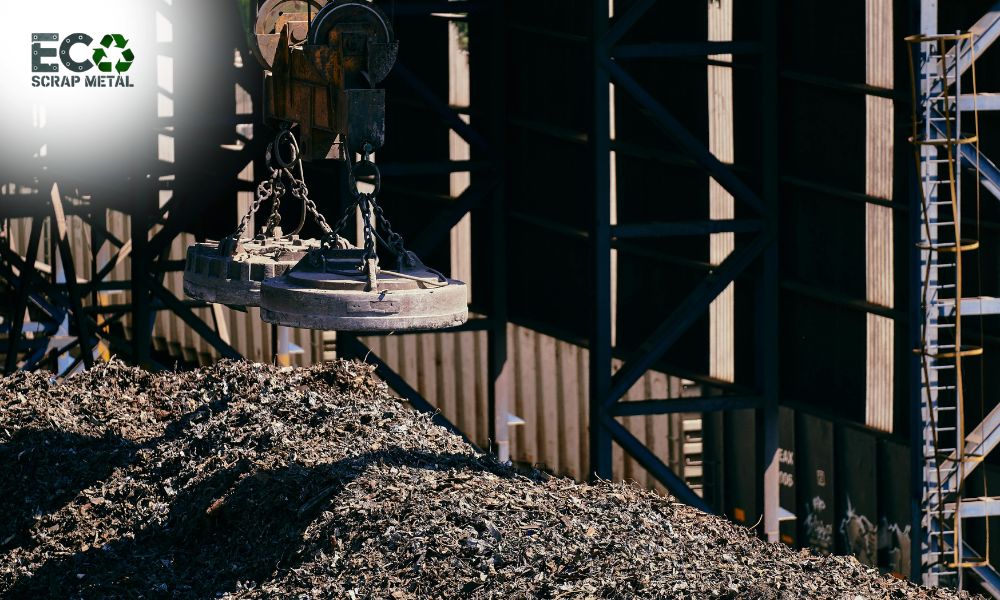
- Sorting and Separation: Metals are sorted into ferrous and non-ferrous categories using magnets, sensors, and manual inspection. Proper sorting increases the quality and value of recycled materials.
- Processing: Large pieces of scrap metal are shredded or cut into smaller sizes to make them easier to handle and melt. This step improves efficiency in the recycling process.
- Melting: The processed scrap is melted in specialised furnaces designed for different types of metals. This stage consumes less energy than producing new metal from raw materials.
- Purification: Impurities are removed using techniques such as electrolysis or chemical treatments to ensure the final product meets industry standards.
- Solidification and Distribution: The purified metal is cooled, solidified, and formed into bars, sheets, or other shapes. These are then distributed to manufacturers for reuse.
Best Practices for Industrial Scrap Metal Recycling
To maximise efficiency and profitability, businesses should follow these best practices:
- Implement a Recycling Program: Establish clear procedures for collecting, storing, and transporting scrap metal within your facility.
- Train Employees: Educate staff on proper sorting techniques and the importance of recycling to reduce contamination.
- Partner with Reliable Recyclers: Work with certified scrap metal recycling companies that comply with environmental regulations and offer competitive pricing.
- Maintain Clean Scrap: Keep scrap metal free from contaminants such as oil, plastic, or hazardous materials to increase its value.
- Track and Monitor: Use data tracking systems to monitor recycling performance and identify opportunities for improvement.
Challenges in Scrap Metal Recycling
Despite its benefits, industrial scrap metal recycling comes with challenges:
- Market Fluctuations: Scrap metal prices can vary based on global demand and economic conditions.
- Contamination Issues: Mixed or dirty scrap can reduce value and complicate processing.
- Logistics and Storage: Managing large volumes of scrap metal requires space, organisation, and efficient transportation systems.
Future Trends in Metal Recycling
The future of industrial scrap metal recycling looks promising, driven by technological advancements and sustainability goals. Innovations such as automated sorting systems, artificial intelligence, and improved smelting techniques are making recycling more efficient than ever. Additionally, stricter environmental regulations and growing corporate responsibility are pushing industries to adopt greener practices.
Conclusion
Industrial scrap metal recycling is more than just waste management, it’s a strategic approach to sustainability and cost savings. By understanding the recycling process and implementing effective practices, businesses can reduce environmental impact while enhancing operational efficiency. As industries evolve, embracing recycling will be essential for long-term success and environmental stewardship.